
Can You Put Laminate Flooring Over Existing Tile? What to Know First
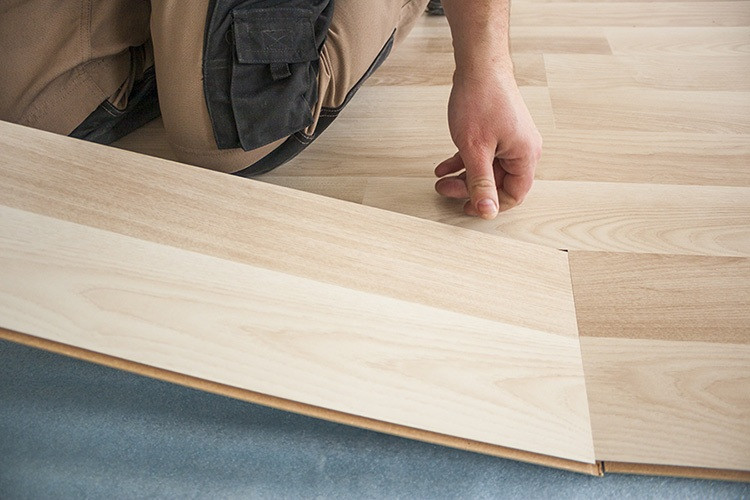
It is one of the most common questions homeowners ask when they want a fresh look without a full demolition. Can laminate flooring go directly over the tile that is already there? In many cases the answer is yes, and that makes it an appealing way to update a room while saving time and effort.
We at Nemeth Family Interiors have been helping homeowners across Covina, Glendora, Claremont, and La Verne work through these exact decisions since 1975. The short version is that laminate flooring can rest over existing tile as a floating floor, as long as a few important conditions are met first. Knowing what those conditions are will help you start your project on solid ground.
What Makes Tile a Workable Base for Laminate
Laminate is designed as a floating floor, which means the planks lock together and rest on top of the surface below rather than being glued or nailed down. That design is exactly why an existing tile floor can serve as a base. The tile simply becomes the foundation that the new floor sits over.
The real question is not whether laminate can go over tile, but whether your particular tile is ready for it. A sound, well-laid surface gives the planks the stability they need to perform well for years. A surface with hidden problems can lead to noise, movement, or gaps down the road.
The Condition of Your Existing Tile Matters Most
Before anything else, the tile underneath needs a careful look. Loose tiles, cracked sections, or pieces that have lifted at the corners will not give laminate the steady support it relies on. Anything that shifts under pressure should be repaired or secured first.
Moisture is another factor worth checking, especially in bathrooms, laundry areas, and kitchens. If the original tile was hiding a damp subfloor, that issue needs attention before a new floor goes down. Starting with a dry, stable base protects your investment.
Height and Transitions Are Easy to Overlook
Adding a new floor on top of tile raises the height of the room, and that small change can have a ripple effect. Doors may need to be trimmed, and the transition into adjoining rooms should be planned so the change in level feels smooth and natural underfoot.
This is where the look of tile in neighboring spaces also comes into play. Thinking through how rooms connect helps the finished result feel cohesive rather than patched together. A little planning here goes a long way.
A Few Best Practices to Keep in Mind
Going over tile can be a wonderful shortcut, and a handful of habits help the project succeed. Keep these points in mind as you plan.
- Clean the tile thoroughly so no grit or debris sits between the surfaces.
- Check that the floor is level, since deep grout lines or uneven spots may need a leveling step.
- Use a quality underlayment to soften sound and add a little cushion.
- Let the laminate acclimate in the room for a couple of days before installation.
- Leave a small expansion gap around the edges so the floor can move naturally with temperature changes.
These small steps make a real difference in how the floor feels and how long it lasts. They are the difference between a quick fix and a lasting upgrade. Professional laminate installation takes care of these details for you, so the finished floor looks seamless and performs the way it should.
Get a Clear Answer for Your Specific Floor
Every room is a little different, and the best way to know if your tile is a good candidate is to have someone take a look. Schedule a free in-home estimate and we will assess your space, talk through your options, and help you feel confident about the path forward. We would love to help you bring your vision to life.