
Roman Shades Are Back and Here Is Why They Work in Modern Interiors
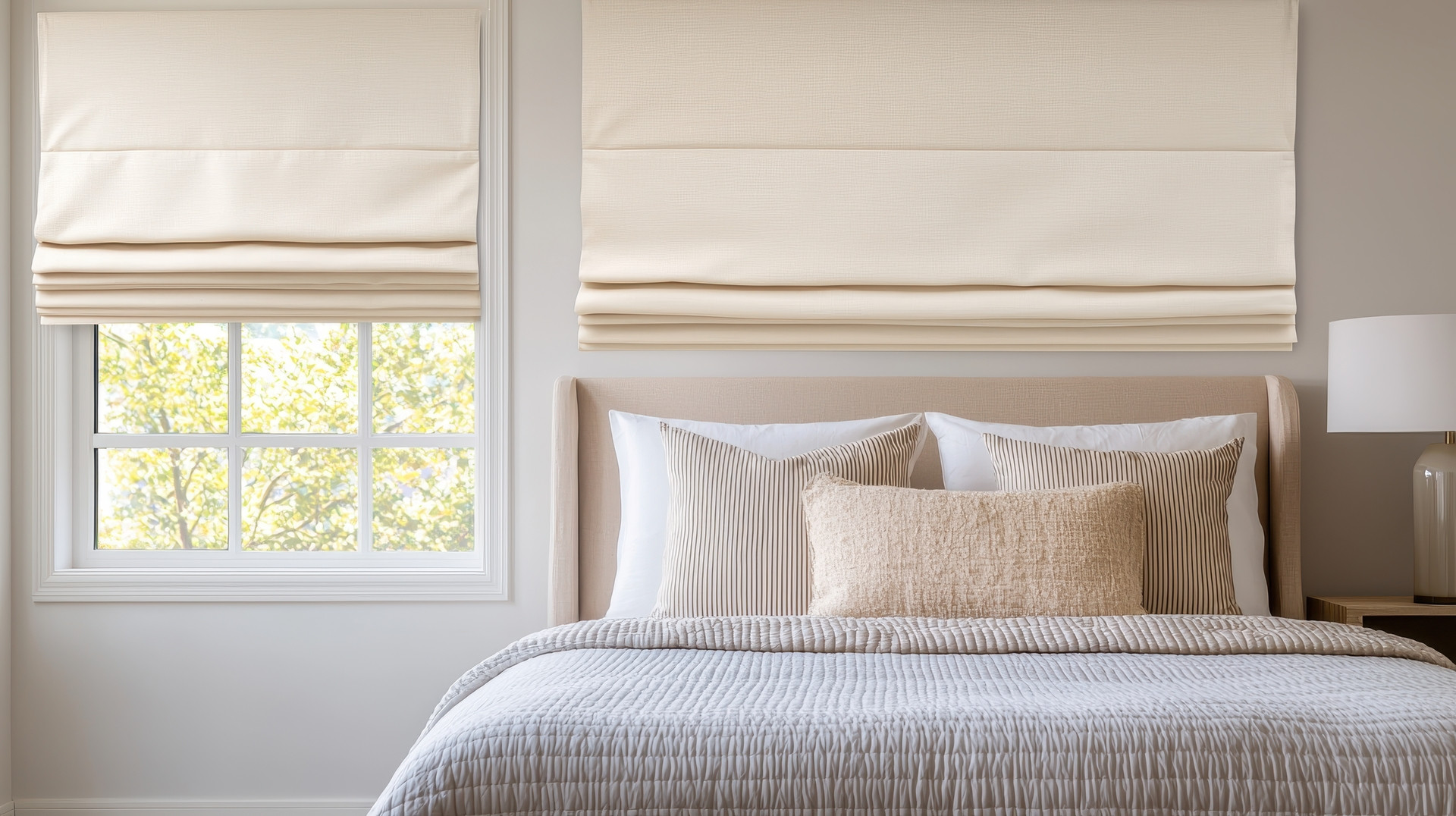
Roman shades have one of those quiet, persistent design histories where they disappear from the spotlight for a few years and then suddenly you notice them everywhere again. In showrooms. In renovation reveals. In the living rooms of Covina and Glendora homeowners who wanted something that felt pulled-together without trying too hard.
They are not trending because they are new. They are trending because they have always worked, and enough people remembered that.
What Actually Makes a Roman Shade Different
Before getting into why they belong in modern interiors, it helps to understand what separates a Roman shade from every other window treatment option. A Roman shade is a flat fabric panel that folds up into horizontal pleats when raised and drops into a smooth, clean panel when lowered. There are no slats, no cords running through plastic vanes, no blinds rattling in the breeze when a window is open. Just fabric, structure, and a remarkably tailored silhouette.
That combination of softness and geometry is exactly what makes them so adaptable. They bring the warmth of a curtain and the clean lines of a blind into a single treatment, without the visual noise of either at its worst.
Why They Feel Right in Modern Spaces
The dominant aesthetic in homes right now across Southern California leans toward calm. Neutral palettes, natural materials, uncluttered surfaces. Interiors that feel edited rather than decorated. Roman shades fit into that language naturally in a way that busy patterned drapes or industrial-looking metal blinds often do not.
A linen Roman shade in a warm ivory or soft sage reads as intentional and refined. It adds texture to a window without competing with everything else in the room. In a dining room with hardwood floors and simple furniture, it completes the space. In a bedroom with a neutral palette, it anchors the window without dominating it.
This is why our window treatments conversations so often lead homeowners here. It is not always the most dramatic choice, but it is consistently one of the most satisfying ones.
The Fabric Is the Whole Conversation
More than almost any other window treatment, Roman shades live or die by the fabric selection. The same style in two different materials can produce wildly different results in the same room.
Linen and linen blends are the current sweet spot. They filter light beautifully, they have a relaxed texture that feels organic and current, and they hold their structure without looking stiff. In a Covina home that gets strong afternoon sun, a linen Roman in a light natural tone softens the light without blocking it entirely.
Cotton gives you more pattern options and a crisper fold. If you want a subtle print or a graphic stripe, cotton construction tends to execute it more cleanly than a loose weave fabric.
Blackout lining can be added to almost any Roman shade fabric and completely changes its function. A beautiful linen shade in a bedroom with a blackout lining gives you both the aesthetic and the sleep quality, without sacrificing one for the other.
Sheer and light-filtering fabrics let Roman shades do something few other treatments manage: maintain complete privacy while still letting the room feel open and connected to the outside. In a first-floor living room in West Covina or La Verne where street traffic is a consideration, this is genuinely valuable.
Flat, Relaxed, or Hobbled: The Fold Matters Too
Roman shades come in a few distinct fold styles, and the difference between them changes the character of the treatment considerably.
A flat Roman shade has no folds when lowered. It sits as a perfectly smooth panel against the window, which reads as the most minimal and contemporary option. It suits clean-lined modern interiors well.
A relaxed Roman shade has a gentle curved drape at the bottom hem when lowered, giving it a softer, more casual feel. It works beautifully in spaces that are meant to feel lived-in and comfortable rather than strictly architectural.
A hobbled or looped Roman shade maintains its horizontal folds even when fully lowered, creating a textured, layered look. It is the most traditional of the three and suits spaces with a more classic sensibility.
Choosing the right fold for your room is part of why seeing options in person matters. What looks like a subtle difference in a photo can feel quite significant when you are standing in front of an actual window.
How They Work With What Is Already in the Room
One of the most practical things about Roman shades is how well they coordinate with other elements without needing to match them directly. A Roman shade does not need to echo the exact color of the wall or the fabric of the furniture. It needs to belong in the same tonal family and share a similar level of formality.
A room with natural hardwood flooring, a linen sofa, and white walls welcomes a Roman shade in almost any warm neutral. A room with tile floors, painted cabinetry, and clean modern furniture welcomes a shade in a slightly crisper, more structured fabric. The shade is doing the work of completing the room, not decorating it.
Contact Us to Explore Our Window Treatment Options
At Nemeth Family Interiors, we carry a full range of blinds and window treatments for homeowners across Covina, Glendora, and West Covina. If Roman shades have caught your attention, our team is happy to walk you through fabric options, fold styles, and lining choices in our showroom. We also offer measurement and installation, so every treatment fits and hangs exactly as it should. Get in touch with us and let us help you find the right look for your windows.