
Understanding Laminate Flooring Core Types: HDF vs. MDF and Why It Matters
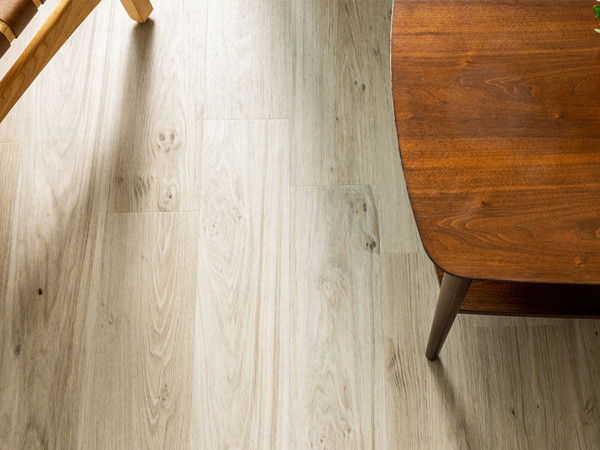
Choosing laminate flooring often feels like a straightforward decision until you start looking at spec sheets. Suddenly you’re seeing terms like HDF and MDF, AC ratings, and density numbers, and it becomes clear that not every laminate plank is built the same way.
Since 1975, we at Nemeth Family Interiors have helped homeowners across Covina, Glendora, La Verne, and Claremont make confident flooring choices, and the core layer is one detail we always explain. Understanding the difference between HDF and MDF cores can change how your floor performs for years, especially in busy California households where kids, pets, and everyday life put real wear on every surface.
The Hidden Layer That Shapes How Your Laminate Performs
Every laminate plank is built in layers, and the core is the thick layer sitting in the middle. It carries the weight, holds the locking system together, and determines how the plank reacts to moisture, impact, and temperature swings. When you walk across a well-made laminate floor, that solid, quiet feel underfoot comes directly from the core.
Most laminate sold today uses either HDF or MDF as this central layer. They look nearly identical on the shelf, but they behave very differently once installed. Knowing which one you’re buying helps you match the floor to the room and the lifestyle it will serve.
What HDF Actually Means
HDF stands for high-density fiberboard, and density is the whole story here. HDF is manufactured by compressing wood fibers under enormous heat and pressure, creating a core that typically measures above 850 kilograms per cubic meter. That tight structure gives HDF its signature strength and rigidity.
Because HDF is so dense, it resists dents from dropped objects, handles heavy furniture without bowing, and holds the click-lock edges together firmly. It also does a better job resisting swelling when small amounts of moisture sneak under the plank, though no laminate should be treated as fully waterproof.
Where MDF Fits Into the Picture
MDF, or medium-density fiberboard, uses the same basic idea as HDF but with fewer fibers packed into each plank. The density usually lands between 600 and 800 kilograms per cubic meter, which makes the core softer, lighter, and easier on the wallet.
MDF-core laminate still performs well in low-traffic spaces like guest bedrooms, formal dining rooms, or home offices where the floor sees gentle use. It just doesn’t stand up to abuse the same way HDF does, and the locking edges tend to wear sooner in high-traffic zones.
How Core Density Shapes Everyday Living
Density affects more than durability. A denser core transmits less sound, so HDF floors feel quieter and more solid when you walk on them. MDF can sometimes sound hollow underfoot, especially over uneven subfloors.
Installation is another place where density matters. Our installers often note that HDF planks grip their locking system more cleanly, which helps keep seams tight over time. Proper laminate installation starts with the right underlayment and subfloor prep, but a strong core gives the whole floor a better foundation to begin with.
Matching the Core to Your Rooms
For entryways, hallways, kitchens, and family rooms where traffic runs high, HDF is almost always the smarter long-term choice. The extra density pays off every time a chair slides back, a dog runs through, or a grocery bag hits the floor.
MDF can still be a sensible pick for quieter spaces or budget-sensitive projects, especially when paired with quality underlayment and a careful installation. Our team can walk you through current laminate products and help you weigh density, style, and price side by side in the showroom.
Talk to Our Flooring Experts Before You Decide
Spec sheets only tell part of the story, and two laminate planks that look alike can feel completely different once they’re in your home. That’s why a conversation with experienced flooring experts usually saves homeowners both time and money.
Stop by our Covina showroom or schedule a free in-home estimate, and we’ll help you find the laminate core and style that fits your space perfectly.